
Preparing Your Home for Winter: Essential Exterior Cleaning Tips
DS
Inspect and Clean Gutters
As winter approaches, one of the first tasks on your exterior cleaning checklist should be inspecting and cleaning the gutters. Clogged gutters can lead to water damage and even ice dams when the temperatures drop. Use a ladder to reach the gutters safely and remove leaves, twigs, and other debris. Consider using a gutter scoop for more efficient cleaning.
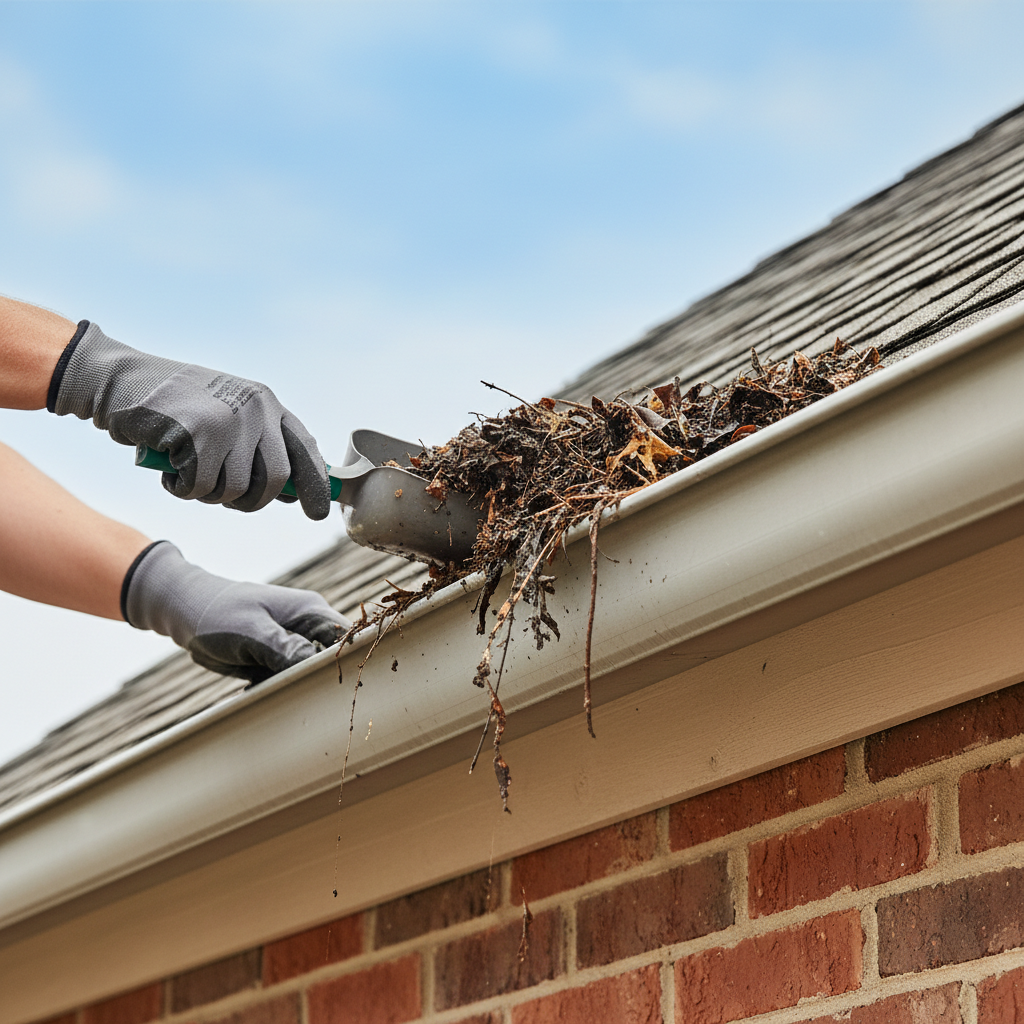
After clearing the debris, flush the gutters with a hose to ensure water flows freely. Check for any leaks or damages in the gutter system, and repair them promptly to prevent further issues. This simple maintenance task can save you from costly repairs down the road.
Power Wash Exterior Surfaces
Power washing is an effective way to remove dirt, grime, and mold from exterior surfaces like siding, decks, and driveways. Before you begin, check that the surface can withstand the pressure to avoid damage. If you're unsure, test a small area first.
Once you're ready, use a pressure washer with the appropriate settings for each surface. This will not only enhance the curb appeal of your home but also help prevent the growth of mold and mildew over the winter months. Remember to wear protective gear and follow safety guidelines while using the power washer.

Trim Trees and Shrubs
Overgrown trees and shrubs can pose a threat to your home during winter storms. Trim back any branches that are close to the roof, windows, or power lines. This reduces the risk of damage caused by falling branches due to snow or ice accumulation.
Additionally, trimming helps maintain the health of the plants and promotes better growth in the spring. Use the right tools, such as pruning shears and saws, to make clean cuts and avoid harming the plants.
Seal Cracks and Gaps
Check your home's exterior for any cracks or gaps, particularly around windows, doors, and foundations. Sealing these openings can prevent cold drafts from entering your home, enhancing energy efficiency and comfort during the colder months.
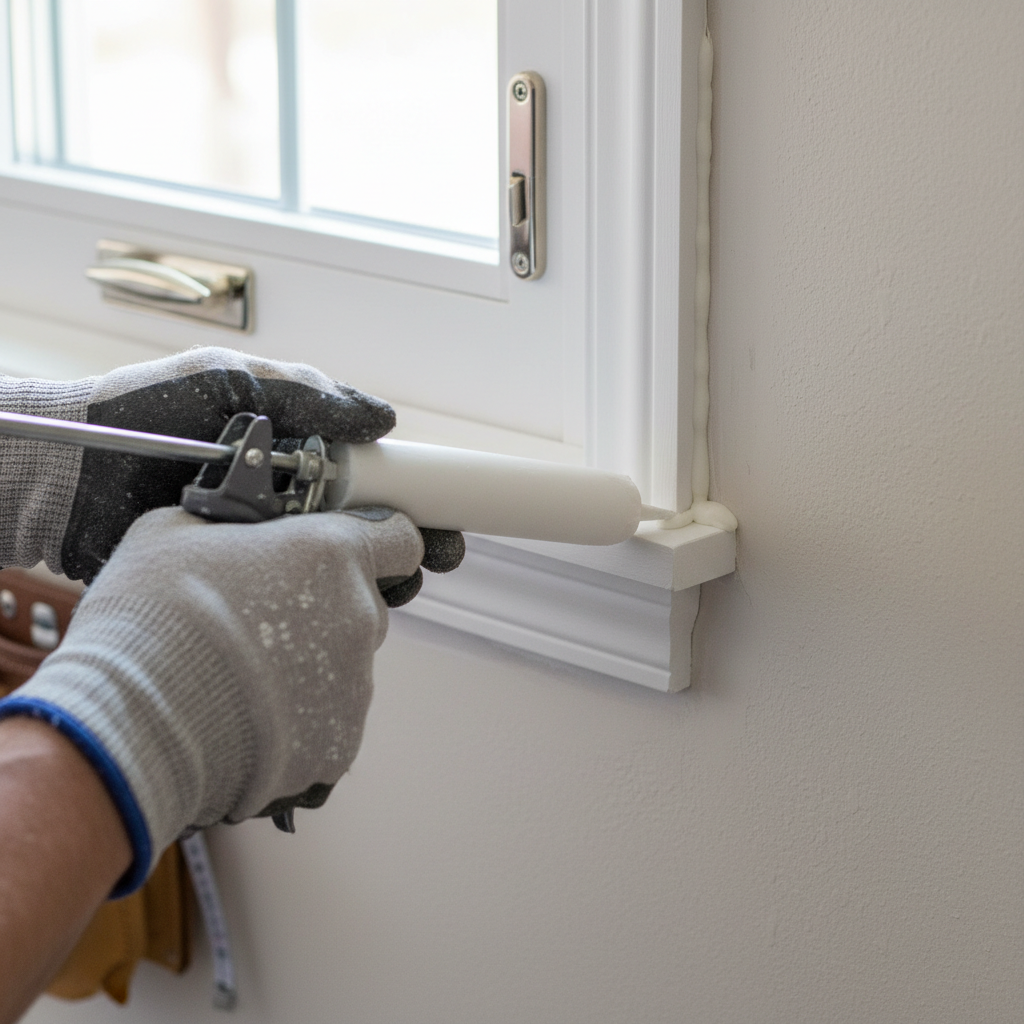
Use weather-resistant caulk or sealant to fill in the gaps. This not only helps in keeping the cold out but also prevents pests from seeking shelter inside your home. Regularly inspect these areas and reapply sealant as necessary to maintain a tight seal.
Prepare Outdoor Plumbing
Outdoor plumbing fixtures, such as faucets and hoses, need special attention before winter sets in. Disconnect and store hoses in a dry place to prevent them from freezing and cracking. Drain any water from outdoor faucets and consider installing frost-proof covers.
If you have an irrigation system, ensure it's properly drained and winterized to avoid damage. Taking these precautions will protect your plumbing and save you from unexpected repairs when temperatures rise again.